Hockey Training Facility A Complete Guide to Skill Development and Performance

For athletes aiming to improve their skating, puck control, shooting, and overall game awareness, choosing the right hockey training facility can make a significant difference. A structured environment, experienced coaching, and access to specialized equipment all contribute to consistent development. Whether someone is just beginning the sport or preparing for competitive play, understanding what a quality training environment offers helps players make informed decisions about their long-term growth.
Understanding the Purpose of a Hockey Training Facility
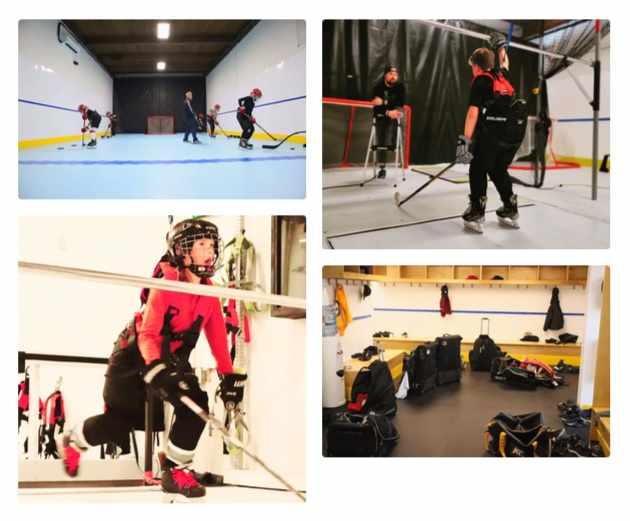
A hockey training facility is more than a place to practice. It provides a dedicated environment where athletes can focus on developing technical skills, physical conditioning, and tactical understanding. Unlike regular team practices that often emphasize game preparation, specialized facilities allow players to spend more time improving individual abilities.
Many facilities combine on-ice and off-ice instruction, enabling athletes to work on every aspect of their performance. This comprehensive approach helps players identify weaknesses while reinforcing existing strengths.
Common objectives include:
Improving skating mechanics
Building speed and agility
Developing stickhandling techniques
Increasing shooting accuracy
Enhancing hockey-specific fitness
Strengthening decision-making during play
Key Features of a Quality Training Environment
Training centers vary in size and specialization, but several features distinguish effective facilities from standard practice locations.
Ice Training Areas
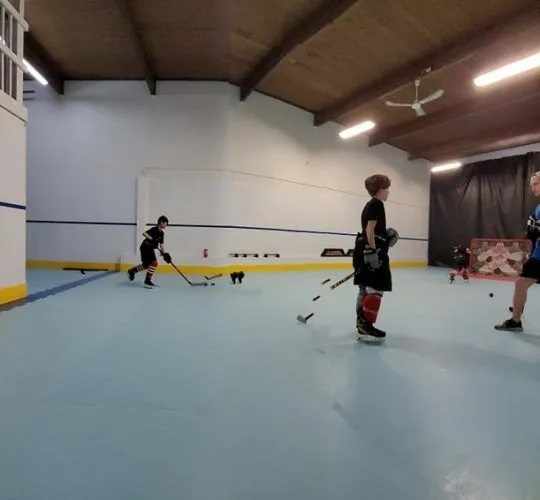
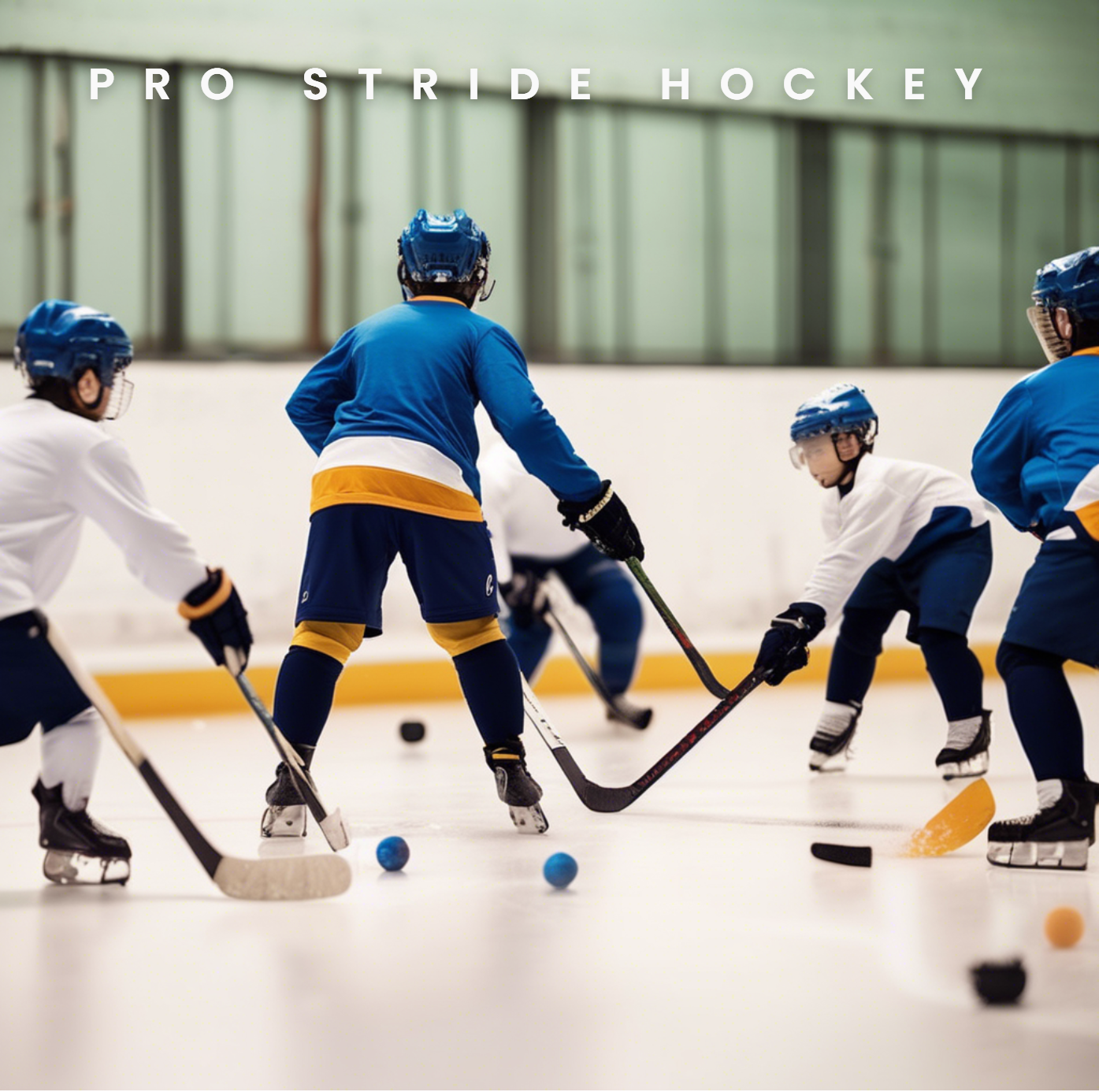
Dedicated ice surfaces allow coaches to conduct focused skill sessions without interruptions. Drills can be customized for individual players, small groups, or advanced development programs.
Ice sessions often include:
Edge control exercises
Backward skating techniques
Transition skating
Passing drills
Shooting repetitions
Game-situation simulations
Having consistent access to quality ice time enables players to repeat movements until they become natural.
Off-Ice Development Areas
Modern hockey emphasizes year-round athletic development. Off-ice training helps improve strength, coordination, flexibility, and endurance without excessive wear on the body.
Facilities may include spaces for:
Strength training
Functional movement exercises
Balance development
Plyometric workouts
Mobility routines
Recovery sessions
These areas support overall athletic performance while reducing injury risk.
Video Analysis
Many athletes benefit from reviewing their technique through video recordings.
Coaches can evaluate:
Skating posture
Stride efficiency
Shooting mechanics
Defensive positioning
Passing decisions
Movement patterns
Visual feedback often accelerates learning because players can immediately understand technical corrections.
Benefits of Structured Hockey Training
Consistent training provides measurable improvements over time.
Some of the most important advantages include:
Better skating efficiency
Increased confidence during games
Improved endurance
Enhanced puck control
Faster reaction times
Greater tactical awareness
Players who train consistently also become more comfortable adapting to different game situations.
Developing Strong Skating Fundamentals
Skating remains the foundation of hockey performance.
Athletes who move efficiently conserve energy while maintaining speed throughout the game. Coaches typically focus on proper body positioning, balance, stride length, and edge control before introducing advanced skating techniques.
Training may include:
Forward acceleration
Crossovers
Quick starts
Tight turns
Backward mobility
Stop-and-start transitions
Mastering these fundamentals creates opportunities for better puck possession and stronger defensive play.
Improving Stickhandling and Puck Control
Handling the puck confidently requires thousands of quality repetitions.
Players often practice with:
Obstacle courses
Reaction drills
One-handed control
Tight-space movements
Speed stickhandling
Vision-based exercises
Developing these skills allows athletes to maintain possession under defensive pressure and make quicker offensive decisions.
Shooting Accuracy and Scoring Skills
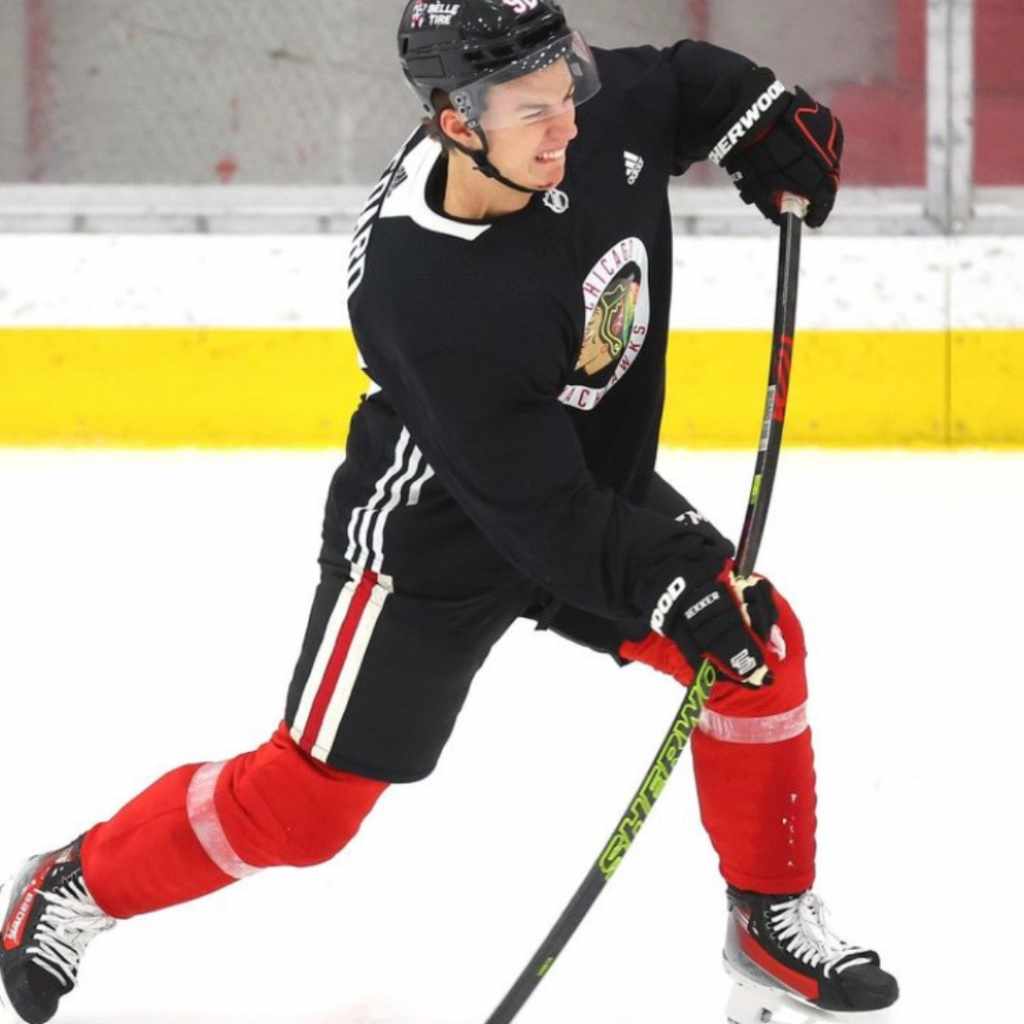
Goal scoring depends on technique rather than strength alone.
Training sessions frequently emphasize:
Wrist shots
Snap shots
Slap shots
Backhand shots
One-timers
Quick-release techniques
Players also learn how body positioning, weight transfer, and stick flex influence shot accuracy and power.
Repeated practice helps build confidence in different scoring situations.
Building Hockey-Specific Conditioning
General fitness is valuable, but hockey requires unique physical demands.
Conditioning programs often target:
Explosive acceleration
Anaerobic endurance
Core stability
Rotational strength
Recovery capacity
Lower-body power
Exercises are selected to mirror the movement patterns athletes perform during games.
Proper conditioning allows players to sustain high performance throughout every shift.
The Role of Coaching
Experienced coaches provide guidance that extends beyond technical instruction.
Effective coaching involves:
Individual feedback
Skill progression
Goal setting
Performance evaluation
Mental preparation
Motivation and accountability
Each player develops differently, so personalized coaching often produces better long-term results than a one-size-fits-all approach.
Youth Development Programs
Young athletes benefit from learning proper techniques early.
Youth-focused training emphasizes:
Safe skating mechanics
Basic puck skills
Coordination
Confidence
Sportsmanship
Team communication
Coaches generally introduce advanced concepts gradually to ensure players build a strong technical foundation before progressing.
Parents often appreciate programs that balance learning with enjoyment, helping children remain engaged in the sport.
Advanced Training for Competitive Players

Older athletes frequently require more specialized instruction.
Advanced sessions may include:
Position-specific drills
High-speed decision making
Tactical awareness
Competitive battles
Transition play
Special teams situations
Players preparing for junior, collegiate, or elite competition often seek opportunities similar to those offered through a pro hockey training academy, where advanced instruction focuses on refining details rather than introducing basic skills.
Technology in Modern Hockey Training
Technology has become an important part of athlete development.
Many facilities now incorporate tools such as:
Shot speed measurement
Performance tracking systems
Motion analysis software
Timing gates
Reaction training equipment
Wearable performance monitors
These resources provide objective feedback that helps athletes measure improvement over time.
Choosing the Right Program
Selecting a suitable training environment depends on several factors.
Consider:
Coaching experience
Training philosophy
Ice availability
Athlete-to-coach ratio
Age-specific programming
Safety standards
Some players benefit from private instruction, while others learn effectively in small group settings.
Athletes pursuing higher levels of competition may also explore programs associated with a pro hockey training academy to gain exposure to more intensive development opportunities.
Maintaining Progress Throughout the Year
Consistent improvement requires regular practice beyond seasonal competition.
Year-round development often includes:
Summer skill sessions
Off-season strength training
Mobility exercises
Recovery planning
Nutrition awareness
Goal tracking
Balanced schedules help athletes improve while reducing the likelihood of overtraining.
Supporting Mental Performance
Physical ability is only one aspect of success.
Mental preparation can improve:
Confidence
Focus
Emotional control
Game awareness
Resilience
Decision-making under pressure
Athletes who develop both physical and mental skills are often better prepared for competitive situations.
Creating Long-Term Athletic Development
Successful hockey development is built gradually through consistent practice and appropriate progression.
Rather than focusing solely on immediate performance, athletes benefit from establishing habits that support long-term improvement. Coaches encourage patience, regular evaluation, and continuous learning throughout each stage of development.
A well-designed hockey training facility provides opportunities to strengthen technical skills, physical fitness, and tactical understanding in a structured environment. Combined with experienced coaching, modern equipment, and individualized instruction, players can steadily improve while enjoying the process of learning the game. Whether training recreationally or pursuing competitive goals, consistent practice remains one of the most effective ways to reach higher levels of performance. Programs modeled after a pro hockey training academy often demonstrate how focused instruction and progressive skill development can help athletes maximize their potential over time.
Pro Stride Hockey.



Write a comment ...